
Job Site Metal Recycling Best Practices
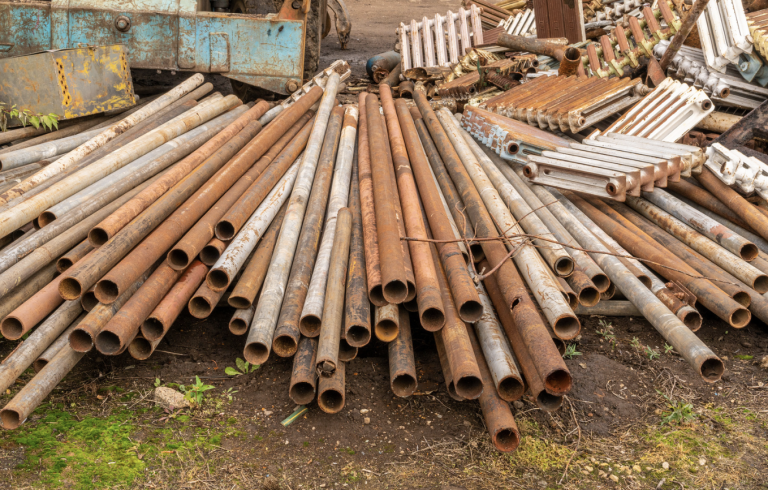
Construction sites generate a significant amount of recyclable metal throughout the course of a project. From demolition debris and structural steel to copper wiring and HVAC equipment, valuable materials are often removed, replaced, or discarded during construction activities. Without a clear recycling strategy, these materials can quickly become mixed with general waste, reducing recovery opportunities and creating unnecessary disposal challenges.
Implementing job site metal recycling best practices can help contractors improve project efficiency, maintain organized worksites, support sustainability goals, and ensure valuable materials are responsibly recycled.
Why Metal Recycling Matters on Construction Sites
Metal is one of the most recyclable materials used in construction. Unlike many building materials, metals such as steel, aluminum, copper, and brass can often be recycled repeatedly without significant loss of quality.
Recycling construction scrap metal helps:
Reduce landfill waste
Improve site organization
Support sustainability initiatives
Conserve natural resources
Simplify debris management
Promote responsible construction practices
Whether working on a new construction project, renovation, demolition, or tenant improvement, metal recycling can play an important role in overall project success.
Identify Recyclable Metals Early
One of the most effective recycling strategies begins before construction work starts.
Project teams should identify potential recyclable materials during planning phases and determine how those materials will be collected and managed throughout the project.
Common recyclable metals found on jobsites include:
Structural steel
Rebar
Copper wire
Copper pipe
Aluminum framing
Sheet metal
Stainless steel
Brass fittings
HVAC equipment
Mechanical systems
Electrical components
Identifying these materials early allows contractors to establish collection procedures before waste begins accumulating.
Separate Metals From General Construction Debris
One of the biggest mistakes on construction sites is allowing recyclable metal to become mixed with general waste.
When metals are combined with materials such as wood, drywall, insulation, concrete, or trash, recycling becomes more difficult and less efficient.
Best practices include:
Designating recycling areas
Using separate collection containers
Clearly labeling recycling zones
Training crews on material separation
Monitoring recycling procedures regularly
Keeping recyclable metals separate improves recovery rates and helps streamline recycling operations.
Create Dedicated Collection Areas
A well-organized jobsite should include designated areas for recyclable materials.
Separate collection zones can help crews quickly identify where materials belong while reducing contamination.
Depending on project size, separate containers may be used for:
Steel
Copper
Aluminum
Mixed metals
HVAC equipment
Electrical materials
Organized collection areas also improve safety and reduce clutter throughout the jobsite.
Recycle HVAC Equipment Properly
HVAC replacement projects generate some of the most valuable recyclable materials found on construction sites.
Common HVAC components include:
Rooftop units (RTUs)
Air conditioners
Ductwork
Condensers
Air handlers
Chillers
Mechanical equipment
These systems often contain copper, aluminum, steel, and brass that can be recovered through professional HVAC recycling services.
Planning for HVAC recycling before equipment removal begins can help improve efficiency and maximize material recovery.
Coordinate Scrap Metal Pickup Services
As projects progress, recyclable materials can accumulate quickly.
Regular scrap metal pickup services help contractors:
Prevent material buildup
Maintain organized worksites
Improve jobsite safety
Free up valuable space
Support project efficiency
Coordinating pickups throughout the project can help ensure recyclable materials are removed before they become an obstacle to ongoing work.
Train Construction Crews on Recycling Procedures
Even the best recycling plan depends on proper execution.
Providing basic training helps ensure workers understand:
Which materials are recyclable
Where materials should be placed
How materials should be separated
Why recycling is important
Consistent procedures across all crews can significantly improve recycling outcomes.
Incorporate Recycling Into Demolition Planning
Demolition projects often produce large volumes of recyclable metal.
Before demolition begins, contractors should identify opportunities to recover:
Structural steel
Copper wiring
Mechanical equipment
HVAC systems
Metal piping
Electrical infrastructure
Early planning allows more materials to be diverted from landfills and improves overall project sustainability.
Work With an Experienced Metal Recycling Partner
Choosing the right recycling company is an important part of successful job site recycling.
Look for a recycling partner that offers:
Scrap metal recycling
Construction recycling services
HVAC recycling
Scrap metal pickup
Commercial recycling expertise
Large-scale project support
An experienced recycling company can help contractors develop effective recycling strategies while simplifying material management throughout the project.
Benefits of Following Metal Recycling Best Practices
Contractors that implement strong recycling practices often experience several advantages, including:
Improved Jobsite Organization
Regular recycling reduces clutter and helps maintain cleaner worksites.
Enhanced Sustainability
Recycling supports environmental goals and helps reduce construction waste.
Better Project Efficiency
Organized material management can improve workflow and reduce disruptions.
Responsible Resource Recovery
Recycling ensures valuable metals remain in circulation rather than being sent to landfills.
Construction Site Metal Recycling in Arizona
Construction, renovation, and demolition projects throughout Arizona generate substantial amounts of recyclable metal every year. Contractors who incorporate recycling into project planning can improve efficiency while supporting more sustainable building practices.
Companies such as Copper State Metals work with contractors, developers, demolition companies, and property owners throughout Arizona to provide scrap metal recycling, HVAC recycling, and job site metal recycling solutions. With proper planning and reliable recycling support, construction teams can maximize material recovery and reduce waste across a wide range of projects. Successful job site metal recycling starts with planning, organization, and proper material handling. By identifying recyclable metals early, separating materials from general debris, coordinating pickups, and partnering with an experienced recycling company, contractors can improve project efficiency while reducing waste.
Implementing these job site metal recycling best practices helps create safer, cleaner, and more sustainable construction projects while ensuring valuable materials are recovered and reused for future applications.