
How to Dispose of Large Mechanical Equipment
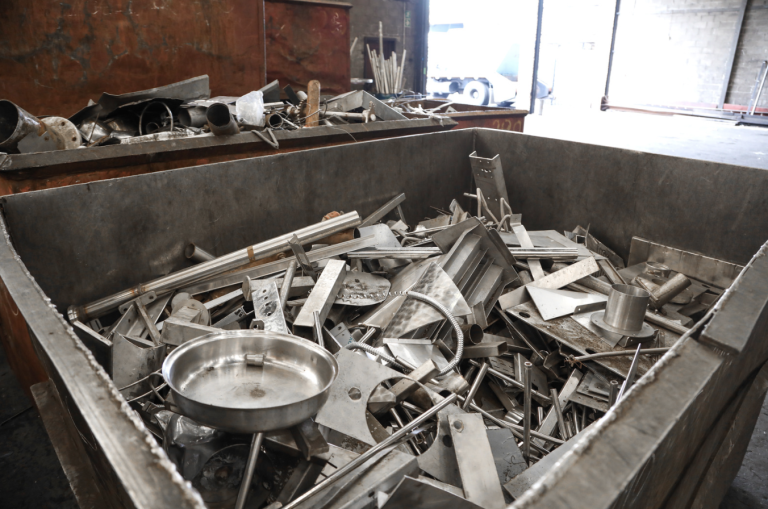
When a building renovation, facility upgrade, demolition project, or equipment replacement is underway, one of the biggest challenges is figuring out what to do with old mechanical equipment. Large systems are often difficult to remove, transport, and dispose of properly, especially when they contain valuable metals and recyclable components.
Whether you’re replacing HVAC units, industrial machinery, chillers, boilers, generators, or other mechanical systems, understanding the proper disposal process can help reduce costs, improve project efficiency, and ensure materials are handled responsibly.
What Is Considered Large Mechanical Equipment?
Large mechanical equipment can include a wide range of commercial and industrial systems, such as:
Rooftop HVAC units (RTUs)
Air conditioning systems
Chillers
Boilers
Cooling towers
Air handlers
Compressors
Generators
Pumps
Industrial machinery
Manufacturing equipment
Refrigeration systems
Mechanical room equipment
These systems often contain significant amounts of steel, copper, aluminum, brass, and other recyclable materials that should be recovered whenever possible.
Why Proper Equipment Disposal Matters
Disposing of large mechanical equipment isn’t as simple as hauling it to a landfill. Many systems contain recyclable metals, refrigerants, oils, electrical components, and other materials that require proper handling.
Responsible disposal can help:
Reduce landfill waste
Improve jobsite safety
Support sustainability goals
Recover valuable scrap metal
Streamline renovation and demolition projects
Ensure compliance with environmental requirements
For many businesses, recycling equipment can be a more efficient and environmentally responsible alternative to traditional disposal methods.
Step 1: Assess the Equipment
Before removal begins, it’s important to evaluate the type of equipment being replaced.
Key questions include:
Is the equipment still operational?
Does it contain refrigerants?
What materials are present?
How large and heavy is the equipment?
What removal equipment will be required?
Understanding these factors helps determine the safest and most efficient disposal strategy.
Step 2: Recover Refrigerants and Hazardous Materials
Many mechanical systems, particularly HVAC and refrigeration equipment, contain refrigerants that must be properly recovered before recycling or disposal.
Examples include:
Air conditioning units
Chillers
Refrigeration equipment
Heat pumps
Certified professionals should remove refrigerants according to applicable regulations before the equipment is transported for recycling.
Other fluids, oils, batteries, or hazardous materials may also require specialized handling depending on the equipment type.
Step 3: Plan for Safe Removal
Large mechanical equipment often requires specialized equipment and coordination during removal.
Challenges may include:
Rooftop access
Crane operations
Heavy lifting
Limited site access
Occupied buildings
Active construction zones
Planning ahead helps minimize disruptions and keeps projects on schedule.
Step 4: Recycle Valuable Materials
Many pieces of mechanical equipment contain substantial amounts of recyclable metal.
Common recyclable materials include:
Copper
Copper is frequently found in:
Wiring
Tubing
Coils
Electrical components
Aluminum
Aluminum is commonly recovered from:
Condenser coils
Heat exchangers
Mechanical housings
Steel
Steel is often the largest component of mechanical equipment and can be recycled into new products.
Brass and Other Metals
Valves, fittings, and specialty components may also contain recyclable metals.
Recovering these materials helps reduce waste while supporting a circular economy.
Benefits of Recycling Mechanical Equipment
Choosing recycling over disposal offers several advantages.
Reduced Waste
Large equipment can occupy significant landfill space. Recycling helps divert reusable materials from landfills.
Resource Conservation
Recycled metals can be used to manufacture new products without the need for additional mining and extraction.
Project Efficiency
Coordinating equipment removal and recycling through a qualified recycling company can simplify logistics and reduce project complexity.
Sustainability Support
Many businesses incorporate recycling practices into broader environmental and sustainability initiatives.
Common Projects That Generate Large Mechanical Equipment
Large-scale equipment disposal often occurs during:
Commercial building renovations
HVAC replacement projects
Facility upgrades
Industrial modernization projects
Warehouse renovations
Manufacturing equipment replacements
Demolition projects
Property redevelopment projects
Having a recycling plan in place before equipment removal begins can help improve overall project efficiency.
Choosing a Mechanical Equipment Recycling Partner
Not every recycling company is equipped to handle large mechanical systems.
When evaluating a recycling provider, consider whether they offer:
Commercial scrap metal recycling
HVAC recycling services
Industrial equipment recycling
Scrap metal pickup
Large-scale project support
Transportation and logistics assistance
An experienced recycling partner can help coordinate removal, transportation, and processing while maximizing material recovery.
Mechanical Equipment Recycling in Arizona
Businesses throughout Arizona regularly replace aging mechanical systems as part of renovations, energy-efficiency upgrades, and facility improvements.
Rather than sending equipment to a landfill, many organizations choose to recycle valuable materials through experienced scrap metal recycling companies. Providers such as Copper State Metals work with contractors, property managers, facility managers, and business owners to help recover recyclable metals from HVAC equipment, industrial machinery, and other large mechanical systems.
Final Thoughts
Disposing of large mechanical equipment requires more planning than simply removing it from a building. HVAC units, chillers, boilers, generators, and industrial machinery often contain valuable recyclable materials that can be recovered through professional recycling services.
By incorporating recycling into your equipment removal strategy, you can reduce waste, support sustainability efforts, and help ensure that valuable metals are responsibly reused rather than discarded.