
Demolition Scrap Metal Recycling Guide
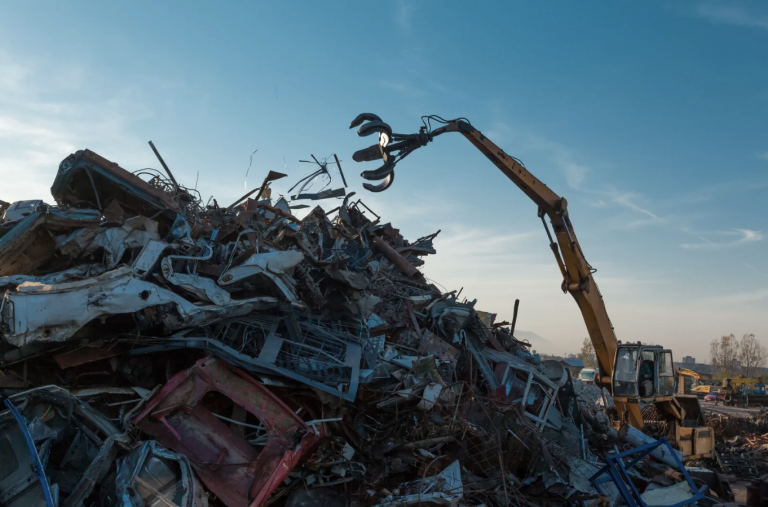
Demolition projects generate enormous amounts of debris, but not everything coming out of a building needs to end up in a landfill. In fact, many demolition sites contain valuable recyclable metals that can be recovered, processed, and reused in future construction and manufacturing projects.
From structural steel and copper wiring to HVAC equipment and metal piping, demolition scrap metal recycling helps contractors reduce waste, improve sustainability, and maximize the value of materials removed during demolition. Whether you’re planning a commercial teardown, industrial demolition, or large-scale renovation, understanding the role of scrap metal recycling can help make your project more efficient and environmentally responsible.
Why Scrap Metal Recycling Matters During Demolition
Demolition projects often produce significant quantities of recyclable metal. Without a recycling plan, valuable materials may be mixed with general debris and sent to landfills unnecessarily.
Recycling demolition scrap metal offers several advantages:
Reduces landfill waste
Supports sustainability goals
Conserves natural resources
Improves project efficiency
Helps recover valuable materials
Supports responsible construction practices
As sustainability becomes a greater priority within the construction industry, many contractors and property owners are incorporating recycling into their demolition strategies from the very beginning.
Common Recyclable Metals Found During Demolition
Commercial, industrial, and residential demolition projects can generate a wide range of recyclable metals.
Structural Steel
Structural steel is one of the most valuable materials recovered during demolition projects.
Common sources include:
Steel beams
Columns
Framing systems
Support structures
Metal decking
Because steel can be recycled repeatedly without losing strength, it remains one of the most recycled materials in the world.
Copper
Copper is frequently recovered from:
Electrical wiring
Plumbing systems
HVAC components
Mechanical equipment
Electrical panels
Copper recycling is often a key component of demolition scrap metal recovery due to the material’s continued demand and recyclability.
Aluminum
Aluminum may be found in:
Window frames
Curtain wall systems
Roofing materials
HVAC components
Building facades
Its lightweight nature and recyclability make aluminum an important material for recovery.
Brass
Brass is commonly recovered from:
Plumbing fixtures
Valves
Fittings
Mechanical systems
Stainless Steel
Many commercial and industrial facilities contain stainless steel equipment, piping, and infrastructure that can be recycled.
HVAC Equipment Recycling During Demolition
Many demolition projects involve removing old mechanical systems before structural demolition begins.
Common HVAC equipment includes:
Rooftop HVAC units (RTUs)
Air conditioners
Chillers
Air handlers
Cooling towers
Ductwork
Mechanical room equipment
These systems often contain substantial amounts of recyclable steel, copper, aluminum, and brass.
Planning for HVAC recycling before demolition begins can help improve material recovery and simplify project logistics.
Benefits of Separating Scrap Metal Before Demolition
Although some metals can be recovered after demolition, separating materials beforehand often improves recycling outcomes.
Benefits include:
Increased Material Recovery
Separated metals are generally easier to process and recycle efficiently.
Cleaner Recycling Streams
Reducing contamination helps maximize the amount of recyclable material that can be recovered.
Improved Site Organization
Organized material handling can improve workflow and reduce confusion on active demolition sites.
Better Sustainability Outcomes
Early planning allows contractors to divert more material from landfills and increase overall recycling rates.
Industries That Commonly Use Demolition Metal Recycling Services
Demolition scrap metal recycling is commonly used in projects involving:
Office buildings
Warehouses
Manufacturing facilities
Retail centers
Schools and universities
Healthcare facilities
Industrial plants
Apartment complexes
Government buildings
Regardless of building type, most demolition projects contain recyclable materials that can be recovered through proper planning and coordination.
What Contractors Should Look for in a Recycling Partner
Choosing the right scrap metal recycling company is an important part of successful demolition planning.
Look for a recycling provider with experience in:
Demolition scrap metal recycling
Commercial recycling projects
Industrial facility demolitions
HVAC recycling
Structural steel recycling
Scrap metal pickup services
Large-scale material processing
An experienced recycling partner can help coordinate material recovery, transportation, and processing while keeping projects on schedule.
Planning a Demolition Recycling Strategy
The most successful demolition recycling projects begin with a clear plan.
Consider:
What types of metals are present?
How much material is expected?
Will HVAC equipment be removed separately?
Are there opportunities for pre-demolition material recovery?
How will materials be sorted and transported?
Developing a recycling strategy before demolition starts can help maximize efficiency and improve overall project outcomes.
Demolition Scrap Metal Recycling in Arizona
Commercial and industrial demolition projects throughout Arizona generate substantial amounts of recyclable metal each year. From aging office buildings and warehouses to manufacturing facilities and redevelopment projects, recycling helps ensure valuable materials are recovered rather than discarded.
Companies such as Copper State Metals work with contractors, demolition companies, property owners, and facility managers throughout Arizona to recycle scrap metal generated during demolition and renovation projects. By recovering steel, copper, aluminum, and other metals, recycling services help support both sustainability goals and efficient project execution.
Final Thoughts
Demolition projects create valuable opportunities for scrap metal recovery. Structural steel, copper wiring, HVAC equipment, aluminum components, and other recyclable materials can often be diverted from landfills and returned to productive use through professional recycling services.
By incorporating scrap metal recycling into your demolition plan, you can reduce waste, support environmental initiatives, improve project organization, and ensure valuable resources remain part of the manufacturing and construction supply chain.